


IV Therapy, Vitamin Injections, Peptides, and Weight Loss Support: What's the Difference?
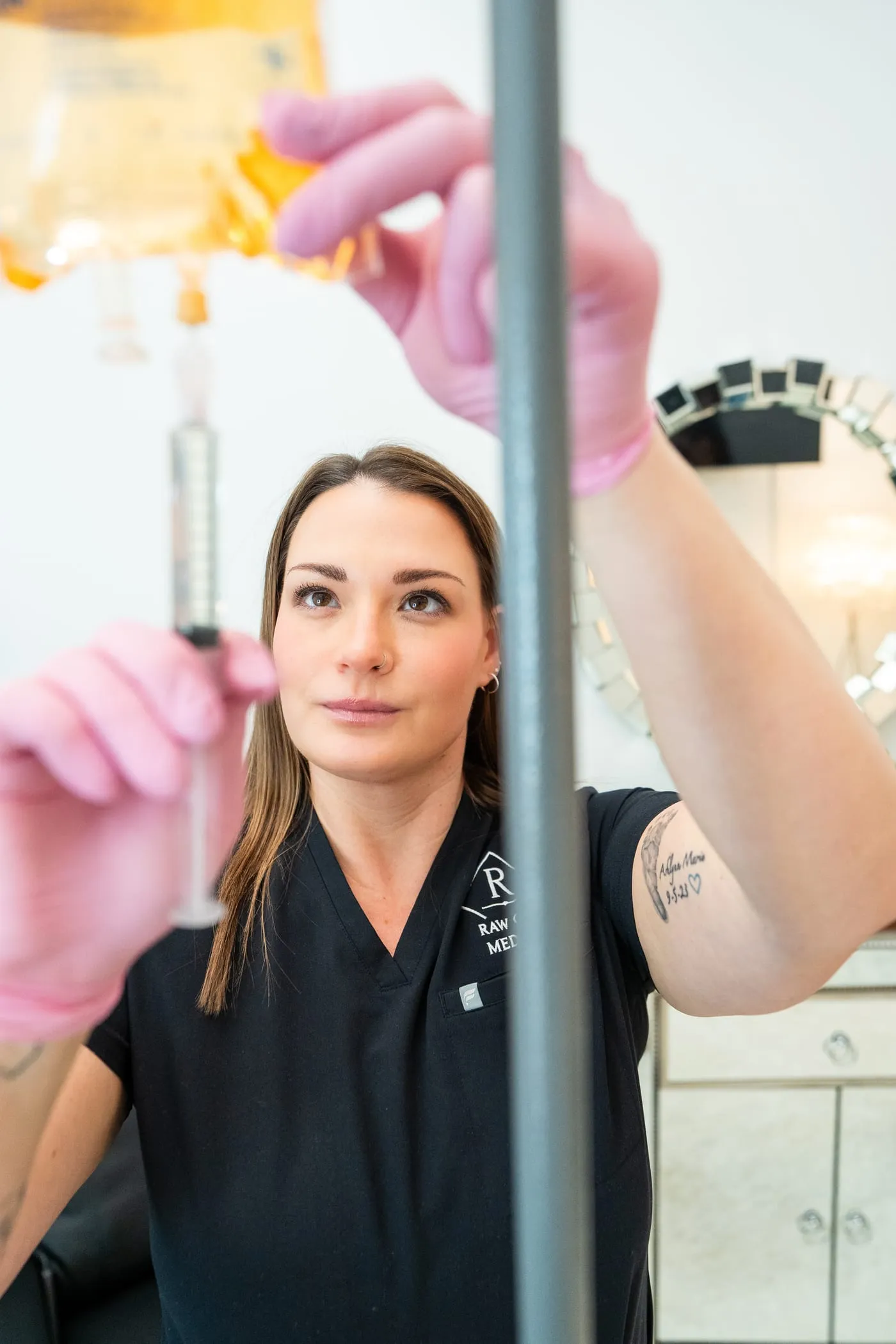
IV drips, vitamin shots, peptides, and weight loss support tend to get grouped into one big wellness bucket, but they are not the same thing. Each one has a different purpose, a different level of oversight, and a different kind of client it fits. Here is a plain-language look at how they compare so you can walk in knowing what you actually want.
IV therapy: broader hydration and nutrient support
IV therapy delivers fluids and selected nutrients directly into the bloodstream. Medically, IV treatments are used for situations like dehydration, low blood volume, or when someone cannot take certain therapies by mouth. The Mayo Clinic notes there is limited evidence that IV vitamin therapy offers meaningful benefits for healthy people who already have normal nutrition levels.
In a med spa setting, most clients reach for IV therapy for broad support rather than one single nutrient. The focus is usually hydration, recovery, or general wellness. Think of it as the more comprehensive option on the menu.
- Best fit: Hydration-focused support, recovery-minded visits, and clients who want wider wellness benefits rather than one specific injectable.
Vitamin injections: more targeted than an IV
Vitamin injections deliver a specific nutrient through an intramuscular shot rather than an intravenous drip. Vitamin B12 is the classic example. The Mayo Clinic and NIH note that B12 injections treat or prevent deficiency, particularly when levels are very low or absorption is a problem.
One important distinction: a vitamin shot is not the same as IV therapy. Vitamin injections are typically more targeted and faster, while IV therapy provides broader support. It is also worth knowing that the Mayo Clinic is clear there is no solid proof that B12 shots cause weight loss on their own.
- Best fit: Clients who want a simple, targeted wellness add-on, especially when a provider has identified a specific need or goal.
Peptides: more specialized and more nuanced
Peptides are not a single universal wellness solution. They are a broad category of compounds, and their role depends entirely on the specific peptide, the intended use, and the sourcing. Some peptide-based medications are well established in mainstream medicine, including certain diabetes and weight-management drugs, but not every peptide product marketed through wellness channels is vetted the same way.
The FDA states that compounded drugs are not FDA approved, which means the agency does not verify their safety, effectiveness, or quality beforehand. The FDA has also warned consumers about unapproved GLP-1 drugs marketed for weight loss and flagged risks around compounded products and dosing errors. On a med spa menu, peptides call for an individual conversation that emphasizes provider oversight, medical history, goals, and source transparency.
- Best fit: Clients who want a personalized wellness or metabolic conversation and are open to a provider-led plan rather than a trendy shortcut.
Weight loss support: the bigger-picture plan
Weight loss support is the broadest category of all. It can include medical evaluation, lifestyle guidance, body-composition goals, and prescription treatment. The FDA has approved tirzepatide for chronic weight management in adults with obesity, or in overweight adults with weight-related conditions, when combined with a reduced-calorie diet and increased physical activity.
Weight loss support is different from getting a shot. It is a larger, ongoing plan. Peptides or prescription therapies may be part of that conversation, or a simpler starting point may make more sense. The FDA has confirmed that the semaglutide injection shortage is resolved, while continuing to warn consumers against unapproved GLP-1 products sold outside proper channels.
- Best fit: Clients who want structured help with weight-related goals and a plan that goes beyond hydration or a single vitamin shot.
So which one should you choose?
- IV therapy: Broader hydration and general wellness support.
- Vitamin injections: A more targeted, quick add-on when a provider recommends a specific nutrient.
- Peptides: A customized conversation around wellness or metabolic goals with a qualified provider who is transparent about sourcing.
- Weight loss support: A complete strategy that goes beyond one-off boosts for weight-management goals.
The Raw Glo approach
We keep the wellness talk clear and specific. Instead of vague promises, we explain what each service can and cannot do, and how it lines up with your goals. Some clients need something simple, others want a more layered plan. The point is to choose with real information rather than guessing off a menu. If you are not sure where to start, a quick consult sorts it out.
Frequently asked questions
Is IV therapy better than vitamin injections?
Not necessarily. IV therapy usually offers broader support, while vitamin injections target a specific need. The better option depends on your goals.
Do vitamin B12 shots help with weight loss?
The Mayo Clinic indicates there is no solid evidence that B12 shots cause weight loss on their own. They primarily prevent or treat deficiency.
Are peptides the same as medical weight loss treatment?
Not always. Some peptide-based drugs apply to weight management, but not every peptide product is FDA approved, and compounded products bypass FDA safety and effectiveness review.
This article is general information, not medical advice. Your provider will tailor any plan to your health history and goals during a consultation.